
SEZs promoted by Reliance, Raheja, IFFCO may benefit.

The government has failed to reach a consensus on the issue of setting up plastic reprocessing units in special economic zones and is likely to defer its decision once again in the meeting of the Board of Approval on October 21.

India may formally approach the World Trade Organisation's dispute panel against the European Union following the seizure of low-cost generic medicine consignments in European ports meant for other developing countries. The two parties have failed to reach an amicable solution during the consultation process.

Last week, Chandra Shekhar Verma did something rather uncharacteristic for a state-owned company chieftain, especially one reputed to be a stickler for rules. The Steel Authority of India (SAIL) chairman - its youngest ever - openly criticised the government.

Nine years after New Delhi started implementing its Plan B - bilateral trade agreements - to beat the impasse at the World Trade Organisation's Doha Round of liberalisation talks, India seems to be finally rolling.

Commerce and Industry Minister Anand Sharma had earlier said the government would not hesitate in assisting sectors that employed huge amount of people if they failed to achieve growth. Some of those sectors were handicrafts, textiles, leather, engineering goods, rice and carpets.

The developers, including Raheja Ltd, Ascendas, L&T and GMR, among others, are in the Ministry of Commerce and Industry's Export Promotion Council for export oriented units and special economic zones.

Will come out with a response on the issue shortly.
The government is considering a proposal to allow 100 per cent foreign direct investment into the country's defence sector, despite stiff opposition from the defence ministry that has raised security concerns.

Exporters are increasingly becoming jittery of making huge losses and apprehend large-scale cancellation of orders and delay in payments.
According to Indian officials, both the sides have had "fruitful consultations" regarding elimination of tariffs on 90-95 per cent of goods, but the EU's insistence on including non-trade issues, such as child labour, labour laws and climate change, in the trade pact are coming in the way of concluding an agreement.
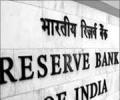
The central bank may classify them as foreign-owned Indian banks.
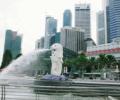
Notwithstanding the widespread protest against the proliferation of special economic zones in the country, the Ministry of Commerce and Industry is organising a seminar on the tax-free conclaves in Singapore on Wednesday in order to rope in global investors.

New foreign trade policy likely by May.
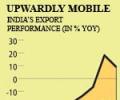
Although India's exports have started growing again after several months of decline, commerce ministry sources told Business Standard that the extension is being considered to sustain growth and stabilise it at 15 to 20 per cent.

Another roadblock to be removed from FDI path; Load on insurance chest.
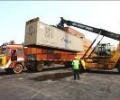
One of the most favoured duty reimbursement schemes among exporters - the Duty Entitlement Passbook (DEPB) scheme - is likely to be scrapped, as the government gears up to introduce the Goods and Services Tax (GST) from April 1.

Although the country's leading gems and jewellery traders, dealers and exporters are ready to grab a significant portion of the $25-billion market, key changes are required in the country's Income Tax Act and Customs Act.

Oil share declines to 9.35 per cent in April-September from 17.23 per cent in the same period of last year.
 © 2026 Rediff.com - Advertise with us - Disclaimer - Privacy Policy - Sitemap - Feedback - About us - Terms of use - Grievances